

Safety equipment – 5 basic pieces


Safety equipment - 5 basic pieces that every worker must have
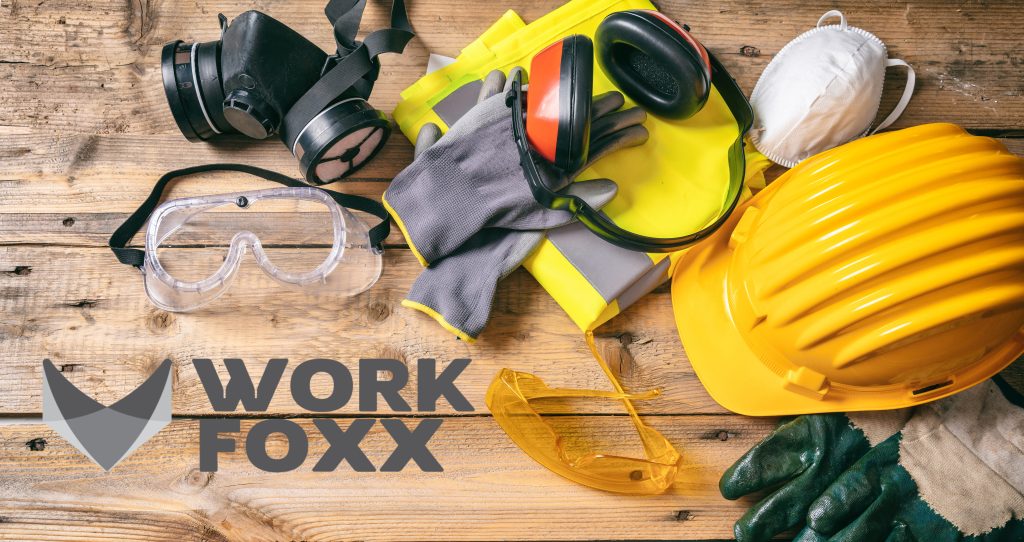
The importance of safety equipment in the workplace
Providing a safe and secure working environment for employees is not only a legal obligation, but also a moral imperative for every responsible employer. The foundation of workplace safety is appropriate safety equipment, often referred to as personal protective equipment (PPE) or personal protective equipment (PPE). In this comprehensive guide, we'll delve into the world of workplace safety and discuss five essential pieces of safety equipment that every worker should own. These pieces of safety equipment protect workers and allow them to perform their tasks with confidence and calmness.
A legal and ethical imperative
Before looking at specific safety equipment, it is important to understand the legal and ethical obligations surrounding workplace safety. Each state has its own set of regulations and standards that employers must follow when it comes to protecting their employees. Failure to do so can result in legal consequences, heavy fines and damage to the company's reputation. However, compliance with safety regulations must go beyond mere legal requirements.
Creating a safe working environment is a fundamental ethical duty. It signifies the company's commitment to employee well-being and lays the foundation for a culture of care and respect. A safe work environment not only prevents accidents, but also promotes employee loyalty and productivity.
What role does safety equipment play?
Safety equipment plays a key role in reducing risks and protecting workers from the various dangers they may encounter while performing their duties. These hazards can range from physical injuries to long-term health problems from exposure to harmful elements. Safety equipment acts as a barrier between the worker and these potential hazards and ensures that the worker can perform his tasks confidently and with minimal risk.
In today's world, where industries range from construction and manufacturing to healthcare and more, safety equipment comes in a variety of forms designed to manage specific risks. Each piece of equipment is carefully designed for its purpose, and its effectiveness depends on proper selection, use and maintenance.
A psychological aspect
In addition to physical protection, safety equipment also has a psychological function. If workers know they are properly equipped to deal with potential hazards, they are more confident and focused on their tasks. This psychological reassurance not only increases productivity, but also reduces the likelihood of accidents caused by fear or distraction.
In the following parts of this article, we will present in more detail five basic items of safety equipment that every worker should have. We will explore their characteristics, advantages and the industries in which they are most important. By the end of this guide, you'll have a comprehensive understanding of how investing in these safety tools is not just a matter of compliance, but a demonstration of your commitment to the safety and well-being of your workforce.
In the next section, we will begin our exploration by focusing on the first element of basic safety equipment: Head protection. Head injuries are a serious problem in many workplaces, and the right head protection can make a big difference. Let's dive in and discover why every worker must have it.
Head protection - protection of the command center
Imagine a construction site where many activities are taking place, heavy machinery is moving and workers are doing different jobs. Now imagine an individual without any form of head protection moving in this environment. It's not a reassuring sight, is it? Because head safety equipment is a fundamental safety requirement in workplaces where head injuries are very dangerous. In this chapter we will examine the importance of head protection and the types of headgear available to keep workers safe.
Understanding the risks
Head injuries can be severe and life-changing. Although the human skull is solid, it is not impact resistant, so severe blows to the head can cause concussions, skull fractures and traumatic brain injuries. In many industries such as construction, manufacturing and mining, workers are constantly exposed to the dangers of falling objects, accidental collisions or even overhead hazards such as exposed girders and machinery.
Protective helmets: protective armor for the head
Use a safety helmet, which is solid head protection. Helmets are designed to absorb and distribute the force of an impact, significantly reducing the risk of head injuries. They consist of an outer shell made of durable materials such as high-density polyethylene, which is designed to withstand shock and impact.
Safety helmets are not universal; there are different grades and types designed for specific work environments. For example:
- Class G (General): These protective helmets provide impact and penetration protection. They are suitable for most jobs.
- Class E (Electrostatic Discharge): These safety helmets are made of materials that are resistant to electrical conductivity and are designed to protect against electrical hazards.
- Type I (Maximum Impact): These protective helmets are designed to provide protection against impacts from the top of the head. They are suitable for workplaces where objects may fall from above.
- Type II (Side Impact): Type II safety helmets, which provide additional side impact protection, are ideal for environments with risks of side head injuries.
Adjust for comfort
Modern safety helmets are not only about protection, their priority is also comfort. Many have adjustable suspension systems that allow workers to adjust the fit to the head. The well-fitting helmet sits securely on the head without causing discomfort, ensuring consistent wear throughout the work day.
Compliance with regulations
In most countries, hard hats are a mandatory safety requirement in industries where there is a risk of head injury. Employers are responsible for providing their workers with suitable hard hats and ensuring that they are used correctly. In order to maintain the integrity of the headgear, regular inspections to determine damage or wear are also important.
!Work Foxx summarizes: Protection of the most important human organ!
 summarizes: Protection of the most important human organ!
Head protection is the first line of defense for one of the most vulnerable parts of the human body - the head. If employers equip workers with the appropriate safety helmets, they not only fulfill their legal obligations, but also demonstrate a deep commitment to safety. When a worker puts on a safety helmet, they have the assurance that their employer values their well-being.
In the next section, we'll look at another important aspect of workplace safety: Eye and face protection. Just as head protection protects the command center, eye and face protection protects the worker's windows to the world. Join us as we reveal the importance of clear vision and face protection in the modern workplace.
Eye protection - protection of vision and facial integrity
Our eyes are windows to the world that allow us to perceive and interact with our surroundings. This important sense must be protected, especially in workplaces where employees are exposed to various hazards. In this chapter, we will delve into the importance of eye and face protection and explore the types of equipment available to ensure the vision safety and facial integrity of workers.
Workplace hazards
Workplaces can present many hazards to the eyes and face. Employees in construction, manufacturing, laboratories and other environments with airborne particles, chemicals or intense light are particularly vulnerable. The consequences of neglecting eye and face protection can range from minor injuries, such as irritation, to serious injuries or permanent blindness.
Safety glasses: A clear view with additional protection
Safety glasses are a fundamental form of eye and face protection. They are intended to protect the eyes from flying particles, dust, chemical splashes and other airborne hazards. Safety glasses differ from regular glasses in that they have impact-resistant lenses that withstand forces that would break normal lenses.
Types of safety glasses:
- Basic Work Goggles: These provide basic impact protection and are suitable for general tasks.
- Safety or protective glasses: Ideal for situations where it is necessary to close the eyes tightly to prevent liquids or small particles from entering them.
- Face shields: These provide full face protection including covering the eyes, nose and mouth. They are often used together with safety glasses.
Protection against intense light
In some workplaces, such as welding shops or laboratories, workers are exposed to strong light sources that can damage the eyes. Special eye protection, such as welding helmets with tinted lenses, protects the eyes from harmful UV and infrared radiation. It is essential that you choose eye protection that is appropriate for the specific hazards encountered at work.
Promoting a culture of compliance
Employers must promote a culture of compliance in eye and face protection. This includes educating employees about the importance of wearing safety glasses consistently and correctly. Proper fit and maintenance are also key factors in ensuring the effectiveness of these protective devices.
Compliance with standards
Safety glasses and safety glasses must meet specific industry standards to ensure their effectiveness. Compliance with these standards is essential to ensure that safety equipment is resistant to the intended hazards. Employers must provide employees with safety equipment that meets or exceeds these standards.
!Work Foxx sums up: Clear view, uncompromising safety!
The eyes and face are irreplaceable, so their protection should be an indispensable aspect of workplace safety. Safety equipment to protect the eyes and face of workers not only protects them from immediate harm, but also prevents long-term injuries that can affect their quality of life. As an employer, investing in safety glasses, goggles or face shields is an investment in the well-being and productivity of your workforce.
In the following parts of this article, we will look at the remaining essential items of safety equipment that every worker should have: Hearing protection, hand and palm protection, and foot and leg protection. Stay tuned as we continue our journey through the world of workplace safety and discover the tools that empower employees to perform their jobs confidently and safely.
Hand and palm protection - protecting your productivity tool
When it comes to workplace safety, hands and palms are often the unsung heroes. They are productivity tools that allow workers to manipulate objects, operate machines and perform sensitive tasks. However, they are also at high risk of injury from cuts, burns, chemical exposure, and more. In this chapter, we will delve into the importance of hand and palm protection and explore the different types of gloves available to protect these vital assets.
Understanding the risks
Hands and palms are exposed to many hazards in many work environments. For example:
- Cuts and Abrasions : Workers in industries such as construction, woodworking, and metal fabrication often work with sharp tools, materials, or equipment, which can cause cuts and abrasions.
- Burns: There is a risk of hand and palm burns in activities involving welding, handling chemicals or hot surfaces.
- Chemical exposure: Workers in laboratories, manufacturing, and healthcare may come into contact with hazardous substances that can damage the skin upon contact.
Gloves: All-round guardians
Gloves are the main safety equipment to protect hands and palms. They act as a physical barrier between the skin and potential hazards and prevent injuries and skin diseases. However, not all gloves are created equal, so glove selection should be tailored to specific tasks and risks.
Types of gloves:
Custom fit for comfort and safety
Properly fitting gloves are essential for safety and comfort. Gloves that are too loose may not provide adequate protection, and gloves that are too tight may impede dexterity and circulation. Employers must provide employees with access to gloves of various sizes and types that suit their tasks and preferences.
Compliance and Training
As with other safety equipment, compliance with legislation is crucial when using gloves. Employees must understand the risks associated with their tasks and understand which gloves should be used. Regular training and reminders can reinforce the importance of hand and palm protection.
Regulatory standards
In order to ensure the effectiveness of the gloves, they must meet specific industry standards. Employers must provide gloves that meet or exceed these standards to ensure the safety of their workforce.
!Work Foxx summarizes: Empowering workers, one glove for one!
Hand and palm protection may not always be at the fore, but it is undoubtedly vital to worker safety and well-being. By providing appropriate work gloves and promoting a safety culture, employers enable their employees to perform their tasks confidently and safely. This not only protects their workforce, but also increases productivity and job satisfaction.
In the next section of this article, we will look at one last piece of essential safety equipment: Foot and leg protection. Just as hands and palms are critical to productivity, ensuring the safety of workers' feet and legs is essential in industries where heavy objects and potential foot injuries are prevalent. Join us as we conclude our journey through the world of workplace safety and discover how the right safety equipment can make a big difference.
Hearing protection - protection of hearing well-being
Our hearing is invaluable, as it enables us to communicate, orient ourselves in our surroundings and enjoy the wealth of life's sounds. However, in workplaces dominated by loud sounds, employees face the risk of hearing loss and other hearing problems. In this chapter, we will delve deeper into the importance of hearing protection and explore the various options available to protect employee well-being.
Understanding the risks
Exposure to loud noise is a common occupational hazard in many industries, including construction, manufacturing, aviation, and entertainment. Prolonged exposure to noise in excess of safe limits can cause hearing damage, temporary or permanent hearing loss, tinnitus (ringing in the ears) and other hearing problems.
The role of hearing protection
Hearing protection devices are designed to reduce the level of noise reaching the ears, thus protecting hearing health. These devices create a barrier that absorbs, reflects, or muffles sound, allowing workers to perform tasks in noisy environments without compromising their hearing.
Types of hearing protection devices:
- Earplugs: These small, soft devices are inserted into the ear canal to block or reduce noise. They are available for single use and reusable, so they are suitable for a variety of work environments.
- Earmuffs: Earmuffs cover the entire ear and seal it, effectively reducing noise. They are often adjustable for a comfortable fit.
Customization for comfort and efficiency
Comfort and proper fit are key factors in hearing protection. Uncomfortable or ill-fitting hearing protection devices can discourage workers from wearing them consistently. Employers must provide different types of hearing protection devices to accommodate different preferences and ear shapes. In addition, regular training on the correct use of hearing protection can ensure that they are worn correctly.
Compliance with regulations
Many countries have regulations and standards that define acceptable levels of noise exposure and require employers to provide hearing protection devices where necessary. Compliance with these regulations is essential to protect workers' hearing and avoid legal problems.
Preventing long-term damage
Hearing protection does not only mean preventing immediate damage, but also ensuring long-term hearing well-being. Even minor hearing damage can accumulate over time and affect a person's quality of life, both personally and professionally. By providing and encouraging the use of attendant protection devices, employers demonstrate their commitment to the long-term health and job satisfaction of their workforce.
!Work Foxx sums up: Smart security practices!
In a world full of noise, hearing protection is an indispensable aspect of workplace safety. Hearing protection not only prevents immediate damage, but also preserves employees' hearing health for years to come. Employers who prioritize hearing protection have a deep commitment to the well-being and quality of life of their workforce.
In the final chapter of this article, we'll look at one last essential piece of safety equipment: Foot and leg protection. Just as head, hand and hearing protection is essential, ensuring the safety of workers' feet and legs is also crucial in industries where heavy objects and possible foot injuries are prevalent. Join us as we conclude our journey through the world of workplace safety and discover how the right safety equipment can make a big difference.
Foot and leg protection - protection of mobility and stability
In the world of workplace safety, feet and legs are the foundation of mobility and stability. They enable workers to move, balance and navigate efficiently in the environment. However, in industries where heavy objects, sharp materials or slippery surfaces are common, employees face a significant risk of foot and leg injuries. In this chapter, we will delve into the importance of foot and leg protection and examine the various protective equipment options available to ensure the safety of workers' lower extremities.
Understanding the risks
In many workplaces, feet and legs are exposed to many dangers:
- Falling objects : In industries such as construction, manufacturing and warehousing, the risk of heavy objects falling on your feet is a constant concern.
- Sharp objects : Workers in construction, metallurgy and forestry may encounter sharp materials or tools that pose a risk of puncture or laceration injuries.
- Slip and fall accidents : Slips and falls can occur due to slippery surfaces, wet conditions, or uneven terrain, resulting in sprains, fractures, or other leg injuries.
What is the role of foot and leg safety equipment?
Foot and leg protection equipment is designed to reduce the risk of injury by creating a barrier between the worker's lower extremities and potential hazards. These protective devices have different properties and materials to suit the specific needs of different industries and tasks.
Types of foot and leg protection:
- Work shoes - they are without a protective cap and meet the EN ISO 20347 standard (label O1, O2, O3)
- Safety shoes - have a protective cap and meet the EN ISO 20345 standard (label S1, S1P, S2, S3)
- Boots - we know work boots without a protective cap and with a protective cap (label S5).
Customized protection
Choosing the right type of foot and leg protection is essential. Employers must take into account the specific hazards in the workplace and provide protective equipment that is adapted to these hazards. Proper sizing and comfort are critical to ensuring that workers wear protective equipment at all times.
Compliance with regulations
In many countries, workplace safety regulations require employers to provide adequate foot and leg protection when hazards are present. Compliance with these regulations not only ensures the safety of employees, but also helps prevent legal problems.
Increasing mobility and productivity
Protecting the feet and legs is not only about preventing injuries, but also about maintaining workers' mobility and comfort. Employees who feel safe in their protective equipment can perform their tasks with confidence and efficiency, which contributes to greater productivity.
!Work Foxx summarizes: A constant step forward!
In a world full of potential dangers, protecting your feet and legs is essential. Foot and leg protection is not only a matter of compliance, but also a testament to the employer's commitment to the safety and well-being of its employees. By providing the right protective equipment and fostering a safety-conscious culture, employers enable their employees to take confident steps forward in their careers, knowing that their mobility and stability are well protected.
With this, we conclude our journey through the world of safety in the workplace and present the five basic items of safety equipment that every worker must have. These tools, from head protection to foot and leg protection, are the foundation of a safe and reliable work environment. Remember that prioritizing safety is not only a legal obligation, but a moral responsibility that paves the way for safer, more productive and more satisfying work for all involved.
You can view the entire range of safety equipment HERE .
If the product you need is not in stock or you cannot find the desired product in our online store, you are invited to send us an inquiry to the info@work-foxx.com or contact us via the contact form. With our affiliate network, we will try to provide you with the desired products or shorten delivery times.