

Equipment for working at height in cold weather


How to choose the right equipment for working at height in cold weather?
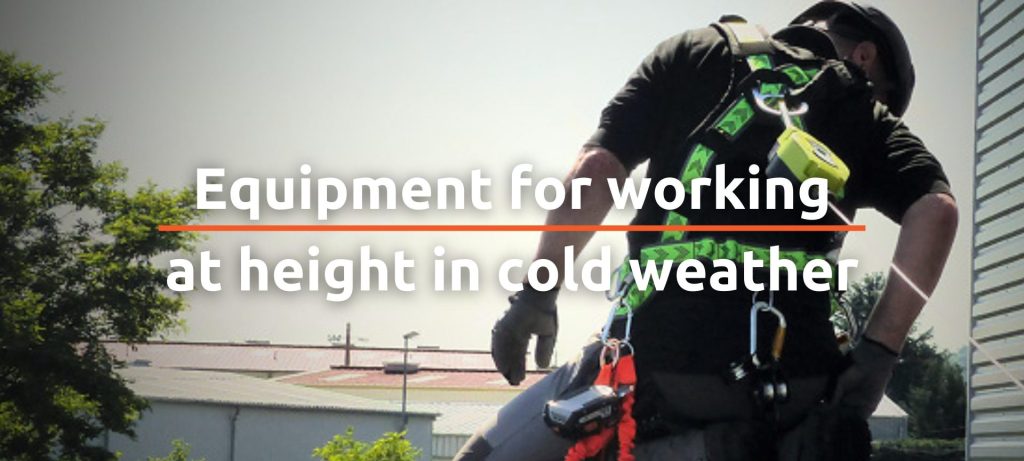
Working at height in cold weather brings a range of challenges and safety issues. It's not just about braving the cold, it's about equipping yourself with the right tools and equipment to prevent accidents and increase efficiency. The purpose of this guide is to take you through the key steps in choosing the right cold weather equipment for working at height.
The effect of cold weather on work at height
-
The role of wind
Wind speed increases with altitude, so it is an important factor when working at height. Strong winds can destabilize you, affecting your balance and concentration. Therefore, it is crucial to be aware of the wind conditions and adapt your methods and equipment accordingly.
-
Handling ice and snow
Because of the cold weather, ice and snow often accumulate, making surfaces slippery and dangerous. Proper footwear with excellent grip is essential, and the use of anti-slip devices can be a lifesaver in such cases.
-
Illnesses due to cold weather
Prolonged exposure to cold temperatures can cause cold-related illnesses such as hypothermia and frostbite. Dressing in layers and planning frequent breaks in a warm environment can reduce these risks.
Key considerations when choosing equipment
-
The importance of insulation
Working in cold environments requires not only comfort, but also safety. Equipment with appropriate insulating elements, such as gloves and boots, can be crucial in maintaining body heat and providing a safer work environment.
-
The need for high recognition
Reduced daylight and adverse weather conditions such as fog and snow can significantly reduce visibility. High-visibility equipment is crucial as it ensures that workers are easily seen, reducing the chance of accidents.
-
Use of anti-slip devices
We have already talked about the dangers of slippery surfaces. Anti-slip aids such as guards and spikes can provide additional safety. They can be attached to your shoes to provide a better grip and reduce the likelihood of slips and falls.
-
Wind resistance properties
Equipment designed to be wind resistant can help maintain balance and stability. Special wind resistant harnesses can provide extra safety in windy conditions and ensure you stay firmly anchored.
Advanced cold weather equipment options
-
Belts with built-in insulation
When working at height, a safety belt is a fundamental part of the equipment. In colder conditions, consider seat belts with built-in insulation. These specialized seat belts not only provide basic safety features, but also an extra layer of warmth that will keep you more comfortable and focused on your tasks.
-
Footwear with a thermal lining
The choice of footwear can significantly affect your comfort and safety when working at height in cold conditions. Look for boots with thermal lining and high-grip soles. The thermal lining will provide extra warmth, while the high-grip soles will help you maintain your footing on slippery surfaces.
-
Insulated headgear
Coverings such as hard hats or helmets with insulated liners can go a long way in keeping you warm. The head is one of the most exposed parts of the body, and heat loss from the head can cause you to cool down quickly, affecting your concentration and efficiency.
Cold weather safety protocols
-
Regular inspections of equipment
The integrity of all equipment for work at height should be checked regularly, and even more so in cold weather. Lower temperatures can affect the durability and functionality of many materials, which can lead to equipment failure.
-
Emergency procedures
An established set of emergency procedures is essential for any work environment, but there are additional considerations to consider in cold weather conditions. Ensure procedures are in place to deal with hypothermia, frostbite and other cold weather conditions.
-
Rescue plans
If a worker falls or gets stuck while working at height, time is of the essence. This becomes even more important in cold weather conditions, where prolonged exposure can cause severe cold-related illnesses. Make sure your rescue plans are adapted to cold weather conditions and that all team members are familiar with them.
Additional tips for cold weather safety
-
Layering clothes
The art of effective layering can be a lifesaver in extremely cold conditions. The inner layer should wick away moisture, the middle layer should be insulating, and the outer layer should be waterproof and windproof.
-
Stay hydrated
Although it may seem counterintuitive, staying hydrated is critical when working in cold weather. Cold air can be very dry, and you still sweat when exercising, which can lead to dehydration if you're not careful.
-
Storing extra supplies
Always have extra pairs of gloves, socks and even some thermal pads in your kit. These can be invaluable if your original kit gets wet or otherwise damaged.
Cold weather presents a special challenge for workers who work at height, but with the right equipment, following safety protocols and some handy extra tips, you can overcome these challenges safely and effectively.
Summary and final recommendations
By this point, you should have a comprehensive knowledge of the unique challenges that cold weather presents when working at height . Preparation is key to reducing risks, from the importance of choosing specialized equipment to consistently following up-to-date safety protocols.
Final Equipment Checklist
In summary, here is a list of gear adapted for cold weather :
- Insulated belts for extra warmth;
- footwear with high grip and thermal lining;
- insulated headgear to reduce heat loss;
- anti-slip devices such as ice axes and spikes;
- high visibility equipment for low light conditions.
Maintenance and storage
Keeping your gear in top condition is critical, especially when the temperatures drop. Store all equipment in a dry, temperature-controlled environment. Moisture and cold can destroy materials over time, so regular inspections are essential.
Ongoing training
Cold weather is not only demanding on equipment, but also on people. Workers must undergo additional training aimed at working in cold weather conditions. Topics may include cold weather first aid, emergency procedures, and proper use of specialized equipment.
Open communication
Always keep the lines of communication open with the team. Weather conditions can change quickly and affect the safety conditions in your work environment. Prompt reporting of hazards or equipment malfunctions is essential to everyone's safety.
lower limit
The challenges of working at height are even greater in cold weather. However, with the right preparation, equipment and safety protocols, these challenges can be met, ensuring safety and efficiency. After all, the goal is not just to get the job done, but to get it done without compromising safety and well-being.
Additional education
Read professional publications and attend industry seminars for more detailed information and the latest developments in safety equipment for work at height . Keeping up to date with the latest best practices is a continuous process that pays off in increased safety and efficiency.
Conclusion
Cold weather should not stop your work , but it should make you more careful and prepared. Choosing the right equipment for working at height in cold weather can significantly improve safety and productivity. When choosing equipment, prioritize insulation, visibility, anti-slip measures and wind resistance. Complement this with consistent adherence to safety protocols and ongoing training, and you'll be well equipped for whatever challenges the cold weather throws your way.