
The importance of wearing slip resistant shoes in the workplace

In this article, we will delve deeper into the importance of wearing slip resistant shoes or footwear with slip resistant soles. When it comes to workplace safety, the choice of footwear can be as important as a helmet, gloves or even work tools. One of the mandatory types of footwear for safety is slip resistant footwear. Slip resistant shoes are a key addition to your work outfit, providing stability on wet or greasy surfaces and protecting your feet from industrial hazards.
The importance of choosing the right footwear
Footwear may be the last thing on your mind when it comes to workplace safety, but it shouldn’t be. According to the Occupational Safety and Health Administration (OSHA), slips, trips and falls are among the most common causes of workplace injuries. In this article, we explain why wearing slip resistant shoes is not only an option, but a necessity.
According to OSHA slips, trips and falls account for the majority of accidents in general industry. They cause 15% of all accident deaths and are second only to motor vehicles in the number of fatalities. The Bureau of Labor Statistics confirms that these types of accidents account for about 25% of reported injury claims per year.
Why is choosing the right footwear important?
Choosing the right footwear is not only a matter of personal comfort, but an essential element of ensuring safety in the workplace. Slip resistant shoes are designed with specific risk conditions in mind. Such as wet or oily surfaces, uneven floors and environments where various industrial wastes are present. Proper footwear can significantly reduce the chance of falls. That not only reduces the risk of injury, but also improves overall worker productivity.
Technology and innovation in footwear
Today’s slip resistant shoes are no longer just practical, but also technologically advanced. Many footwear manufacturers are now using innovative materials. Tehnologies such as polymers with high slip resistance, and technologies such as micro-channelling in the soles, which effectively channel fluids away from the contact points between the shoe and the ground. This allows for exceptional grip and stability even in the most demanding environments.
What are anti-slip shoes?
Before proceeding, it is necessary to understand what makes a shoe “slip resistant”. These are shoes designed with a special type of tread and rubber material that provides traction on slippery surfaces. They can also be equipped with a rating indicating the level of slip resistance. That provides an empirical basis for their effectiveness.
Due to the high risk of slips and falls, it is extremely important to consider the importance of wearing slip resistant shoes when purchasing your next pair. Slip resistant soles are essential for anyone working on slippery or uneven surfaces. It’s not just about protection from objects, sometimes the floor can be your worst enemy. Slip resistant work shoes provide excellent grip and prevent accidents on slippery surfaces.
The shoes can be slip resistant on different surfaces. You will recognize the level of protection by the markings:
- “SRA” – tested on ceramic tiles soaked in a diluted solution of sodium lauryl sulfate (soap);
- “SRB” – tested on smooth steel with glycerol;
- “SRC” – tested under SRA + SRB conditions.
What types of soles are most commonly used?
Slip resistant shoes use different types of soles. They are made of materials such as rubber, thermoplastic rubber (TPR), polyurethane (PU) and ethylene vinyl acetate (EVA). Each material has its own characteristics, which are adapted to specific working environments and user needs.
- Rubber soles are extremely popular due to their durability, flexibility and excellent grip, which makes them ideal for use in slippery areas such as restaurant kitchens or hospital corridors.
- TPR (Thermoplastic Rubber) combines the properties of rubber and plastic, providing a good balance between comfort and style. TPR soles are often found in elegant and casual shoes.
- Polyurethane (PU) is known for its durability and lightness, which is why it is widely used in work and safety shoes. PU soles are resistant to oil, chemicals and wear, which makes them ideal for demanding work environments.
- EVA (ethylene vinyl acetate) is a light and flexible foam that is often used in running and sports shoes. Due to its ability to absorb shock, it reduces the stress on the joints during high-impact activities.
When choosing slip resistant shoes, it is important to consider the specific needs of the work environment, such as the type of surfaces you will be walking on and potential exposure to chemicals or oils. In addition, it is important that the shoes provide sufficient support and comfort for long-term wear.
Recognized manufacturers of slip resistant soles
In our offer you can find a wide range of Bata Industrials , Lacuna , Base and Coverguard work and safety shoes that use Vibram and Michelin soles. They are characterized by a high degree of durability and exceptional performance on demanding terrains, which ensures exceptional safety and traction. Vibram and Michelin are two sole brands that are highly regarded in the footwear industry for their specific advantages for different purposes and activities.
Vibram soles have become famous for their reliability and versatility. They date back to 1935, when Italian inventor Vitale Bramani developed them in response to a climbing accident where his friends lost their lives due to improper footwear. Vibram soles are known for their durability, excellent grip and resistance to extreme conditions, making them ideal for hiking, climbing and other outdoor activities. Vibram uses vulcanized rubber to improve performance in cold temperatures and on slippery surfaces such as ice. The company offers a wide range of soles adapted to different activities, including MegaGrip for all terrains and ArcticGrip for improved grip on ice.
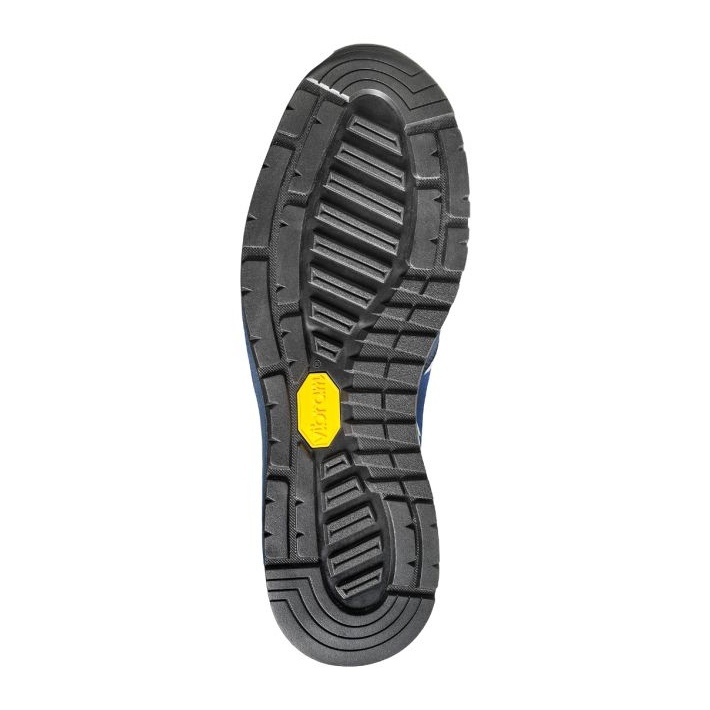
Michelin soles are less well-known in the context of footwear, but a company originally known for manufacturing car tires has developed technologies that are just as useful in the world of footwear. Michelin soles are designed for maximum performance and durability, and are mainly used in sports and work shoes where superior grip and wear resistance are required. These soles feature similar features such as vulcanized rubber and advanced tread patterns to provide excellent performance on a variety of surfaces.
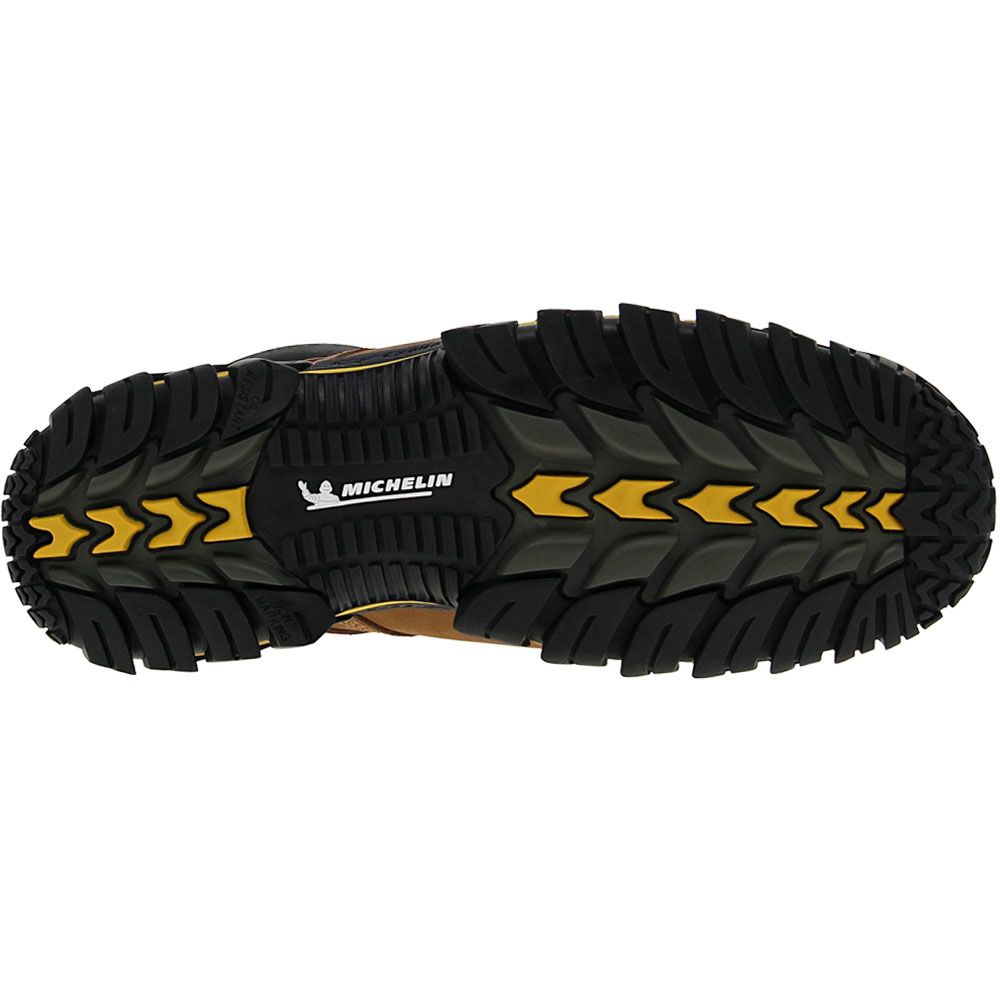
Both Vibram and Michelin offer soles that meet high standards for demanding users and conditions, ensuring safety and comfort in a variety of environments. They are used in both professional and casual footwear, including hiking boots, running shoes and even fashion footwear.
The use of slip resistant footwear in various industries
The importance of wearing slip resistant shoes is expressed in many industries where there is a risk of slips, falls and injuries. This type of footwear provides safety and stability to workers in various work environments. In the following, I present an extended overview of industries where the use of slip resistant footwear is particularly recommended.
Roofing
In roofing work, it is extremely important that workers use specialized footwear that ensures safety at heights. The roof shoes are designed to provide exceptional grip on various roofing materials, such as tiles, metal sheets or bituminous coverings. Roof shoes prevent slips, which is vital on steep roofs where a slip could lead to serious injury or even death. In addition to slip resistant properties, roofing shoes often include reinforcements for added protection against falling objects and sharp edges common in roofing work.
Hospitality
In the hospitality industry , where workers spend a lot of time in kitchens, warehouses and serving areas, slip accidents are common due to spills of liquids such as oil, water and sauces. Slip resistant shoes are crucial to prevent such accidents. These shoes are not only slip resistant, but often provide additional support during prolonged standing, reducing fatigue and increasing worker comfort. Hospitality footwear is designed to be easy to clean and resistant to bacteria, which is especially important in environments where hygiene is a priority.
Healthcare
In healthcare, workers regularly walk on surfaces that are slippery due to spilled liquids and biological waste. Slip resistant healthcare footwear not only prevents falls, but is often resistant to the transfer of bacteria and easy to sterilize. This footwear is designed for long-term wear, as healthcare workers often spend entire shifts on their feet. Additional features include water resistance and can also have special padded linings for added comfort.
Construction sites and factories
On construction sites and factories where workers encounter difficult and dangerous working conditions, slip resistant shoes often include steel or composite toes to protect against falling objects. These shoes are made from robust materials that are puncture and chemical resistant, and also provide insulation from electrical hazards. In addition to slip resistant soles, these shoes are designed for maximum ankle support and comfort, which is crucial when working on uneven surfaces for long periods of time.
Maritime industry
In the maritime industry, where workers work in wet and often unstable conditions on ships, docks and oil rigs, slip resistant shoes provide vital safety. Footwear is usually waterproof, with rubber soles that do not clog with mud or sea sand. Due to exposure to salt and water, these shoes are made of materials that prevent corrosion. Additional padding and joint support are also important to prevent injuries during long-term work.
Cleaning and maintenance
For cleaning and maintenance workers who regularly use water and various cleaning agents, slip resistant footwear provides not only safety, but also comfort. This footwear is usually light and easy to maintain, as it can be exposed to various cleaning agents. The shoes are designed with breathable materials that allow the feet to breathe, while preventing moisture retention and the development of bacteria.
Agriculture
Agricultural workers work in environments where the ground is often wet and slippery. Slip resistant agricultural boots are usually waterproof and easy to clean, while offering protection against cold and moisture. These shoes are often equipped with rough soles for better traction on mud or slippery grass, and the materials are resistant to fertilizers and pesticides. Additional padding and leg support ensure comfort during long work tasks.
By using slip resistant footwear, workers in these and many other industries can reduce the risk of injury, contributing to greater productivity and a lower likelihood of workplace accidents.
Five compelling reasons to wear slip resistant shoes
Let’s dive into why you should consider slip resistant footwear an essential part of your work attire.
- Reducing the risk of slips, trips and falls
The main benefit of wearing slip resistant shoes is to prevent accidents that can cause serious injury or even death. With better grip on slippery surfaces, these shoes can save lives, especially in risky environments.
- Multi-layer protection for your feet
In addition to reducing the number of slips and falls, these shoes are designed to provide multiple layers of protection. In industrial environments where there is a risk of heavy objects falling on your feet, slip resistant shoes with steel toes can provide an extra level of safety.
- Increasing overall productivity
Comfort and safety go hand in hand. If you are comfortable, you can focus better and thus increase your productivity. Many slip-on shoes are designed with comfort in mind, offering features such as cushioning, arch support, and improved insole technology.
- Compliance with workplace safety regulations
In many occupations, wearing slip resistant shoes is not only an option, but a requirement under OSHA guidelines. Therefore, owning a pair of shoes is part of your compliance with workplace safety regulations.
- Wide availability of different brands and styles
Thanks to companies like Bata Industrials , Lacuna , Base and Coverguard , today you can find slip resistant footwear in a variety of styles, from athletic shoes to heavy-duty work footwear, ensuring you don’t have to sacrifice style for safety.
By including slip resistant shoes in your work attire, you not only ensure your safety, but also contribute to creating a safer work environment for everyone. Stay tuned for more information on how to choose the right pair, technological advancements in the field, and the cost benefits of investing in high-quality slip resistant footwear.
The right choice – features to consider when buying slip resistant shoes
Choosing the right slip resistant shoes isn’t just about style or brand, it’s about features that contribute to safety and comfort. Here’s a comprehensive guide on what to look for when shopping for the perfect pair.
- Tread pattern for maximum traction
First, check the tread pattern on the sole. A well-designed tread pattern provides maximum traction and reduces the risk of slipping on wet or greasy surfaces.
- Material matters
The sole material plays an important role in determining slip resistance. Rubber soles are generally considered the most slip resistant, especially on wet surfaces.
- Certified for safety
Look for shoes that have safety certifications, as they have undergone rigorous testing to meet specific safety standards. The certifications ensure that the shoes not only provide slip resistance, but also other essential safety features.
- Comfortable functions for long hours
When you’re on your feet all day, comfort is just as important as safety. Look for shoes with cushioned insoles, arch support and breathable fabric to keep you comfortable all day long.
- Durable and built to last
Work boots are an investment, so you want a pair that will last. Check the durability of the sole and upper material. By reading customer reviews, you can get an insight into how long the shoes typically last.
- Check reviews and ratings
Online reviews and ratings are invaluable in choosing the right pair. From them you can find out what real users think about the comfort, durability and effectiveness of the shoes in preventing slips and falls.
- Easy cleaning and maintenance
Work shoes will get dirty and in some professions they may come into contact with substances that you will want to clean immediately. Choose shoes that are easy to clean and maintain to extend their life.
Technological progress in the field of anti-slip footwear
The technology of slip resistant shoes has advanced greatly due to continuous research and development. Today’s market offers technologically advanced options that guarantee maximum security.
- Nano-Grip technology
Some modern shoes use nano-grip technology, which provides microscopic tread patterns that provide even better traction on challenging surfaces.
- Drainage of liquids
Shoes with soles that wick fluid away from the bottom of the shoe, reducing the risk of hydroplaning.
- Shock absorption
Many slip resistant shoes now come with features that absorb shock, protect your feet from the force of heavy objects, and reduce stress on your joints.
- Adjustable inserts
Some brands offer the option of flexible insoles that mold to the shape of your feet and provide unmatched comfort and support.
Cost versus value
Buying work boots is an investment in your safety and comfort, so it’s important to weigh the cost and the value they provide. Here are some points to consider.
- Initial costs versus long-term benefits
While it may be tempting to go for cheaper options, remember that a high-quality pair of slip resistant shoes can last longer and provide better protection against workplace hazards.
- Any medical expenses
By investing in quality shoes, you can avoid potential medical bills due to foot injuries or falls at work, which further increases the importance of wearing quality slip resistant shoes.
- Improved productivity
The importance of wearing slip resistant shoes is also reflected in productivity. When you feel comfortable and safe, you are naturally more productive. In the long run, investing in quality slip resistant shoes can actually increase your efficiency at work, which can be a financial benefit in itself.
By considering these factors, you can make an informed decision and choose slip resistant shoes that will serve you well in terms of both safety and comfort.
Frequently asked questions about slip resistant footwear
To conclude this comprehensive guide to the importance of wearing slip resistant shoes in the workplace, we answer some frequently asked questions and summarize why investing in quality footwear is essential to your safety and productivity.
Frequently asked questions about slip resistant shoes
- Are all anti-slip shoes the same?
No, slip resistant shoes differ in terms of intended use, type of sole material, tread pattern and additional safety features such as toe protection or shock absorption. Always consider specific workplace hazards when selecting a pair.
- How often should I change anti-slip shoes?
The service life of work shoes depends on the frequency of use and working conditions. A good rule of thumb is to regularly inspect your shoes for wear and replace them at least once a year, or sooner if you notice reduced slip resistance.
- Can I make existing shoes slip resistant?
While there are sprays and shoe covers designed to provide some degree of slip resistance, they are generally not as effective as certified slip resistant footwear and should not be relied upon as a permanent solution.
- Are anti-slip shoes only necessary for certain professions?
While the risks are more obvious in some professions such as healthcare, hospitality and industry, slip resistant shoes are beneficial for anyone who works in an environment where floors can become slippery.
- Do anti-slip shoes also provide arch support?
Yes, many modern slip resistant shoes are designed for comfort as well as safety, with features such as arch support and cushioned insoles.
Final Thoughts: The importance of slip resistant shoes cannot be overemphasized
When it comes to workplace safety, you should never shy away from flaws. Investing in quality slip resistant shoes ensures that you have taken the necessary steps to protect against slips, trips and falls. It also contributes to a safety culture in the workplace. With today’s technological advancements and the variety of options available, choosing the right pair has never been easier.
Whether you are an employer looking to increase workplace safety or an employee looking to take personal protection into their own hands, now is the time to invest in anti-slip shoes. The importance of wearing slip resistant shoes cannot be overstated. They save lives, prevent injuries and improve overall productivity.
With a wide range of options available and tailored to an even wider range of industrial needs, finding the right pair is easier than ever. Research, choose and take an important step towards creating a safer and more productive work environment for all involved.
Remember that safety starts from the very beginning. Make the smart investment in high-quality slip resistant footwear today.
Thank you for reading this comprehensive guide on the importance of wearing slip resistant shoes at work. Your security is worth every penny and every minute you spend researching the best options for you. Stay safe and productive at work and check out Work Foxx’s range of quality safety footwear !
